Inscribed Tablets
The Stone Archive Series
Abu simbel temple relief
A monumental relief carving from the temple complex of Ramses II, featuring the pharaoh making offerings to gods.
Collection · 20 pieces
Experience art that transcends time. Our sculptures capture elegance, history, and craftsmanship, inspired by iconic forms that have shaped cultures across centuries.
Inscribed Tablets
The Stone Archive Series
A monumental relief carving from the temple complex of Ramses II, featuring the pharaoh making offerings to gods.
Inscribed Tablets
The Stone Archive Series
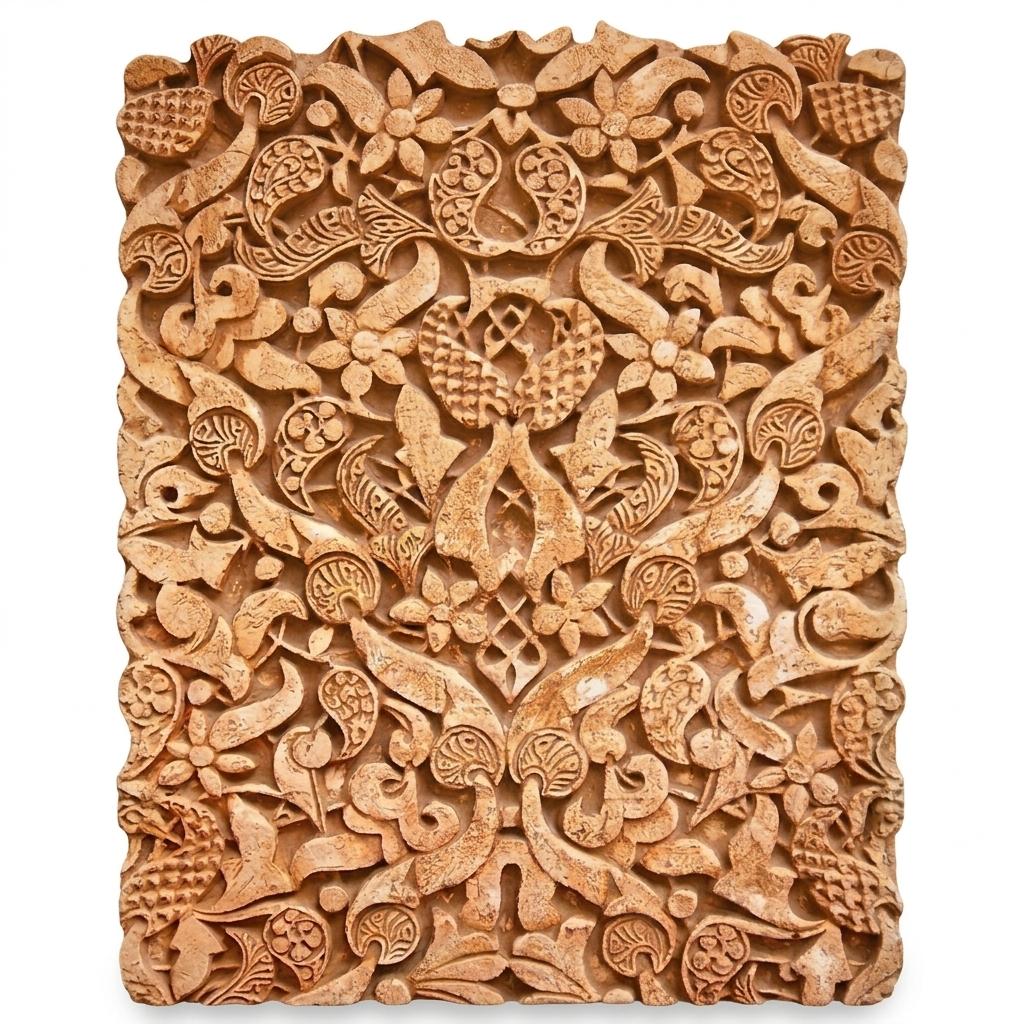
Location: Granada, Spain, primarily 13th–14th centuries (Nasrid dynasty). Description: Intricate, repeating stucco (plaster) decorations covering palace walls.
Inscribed Tablets
The Stone Archive Series
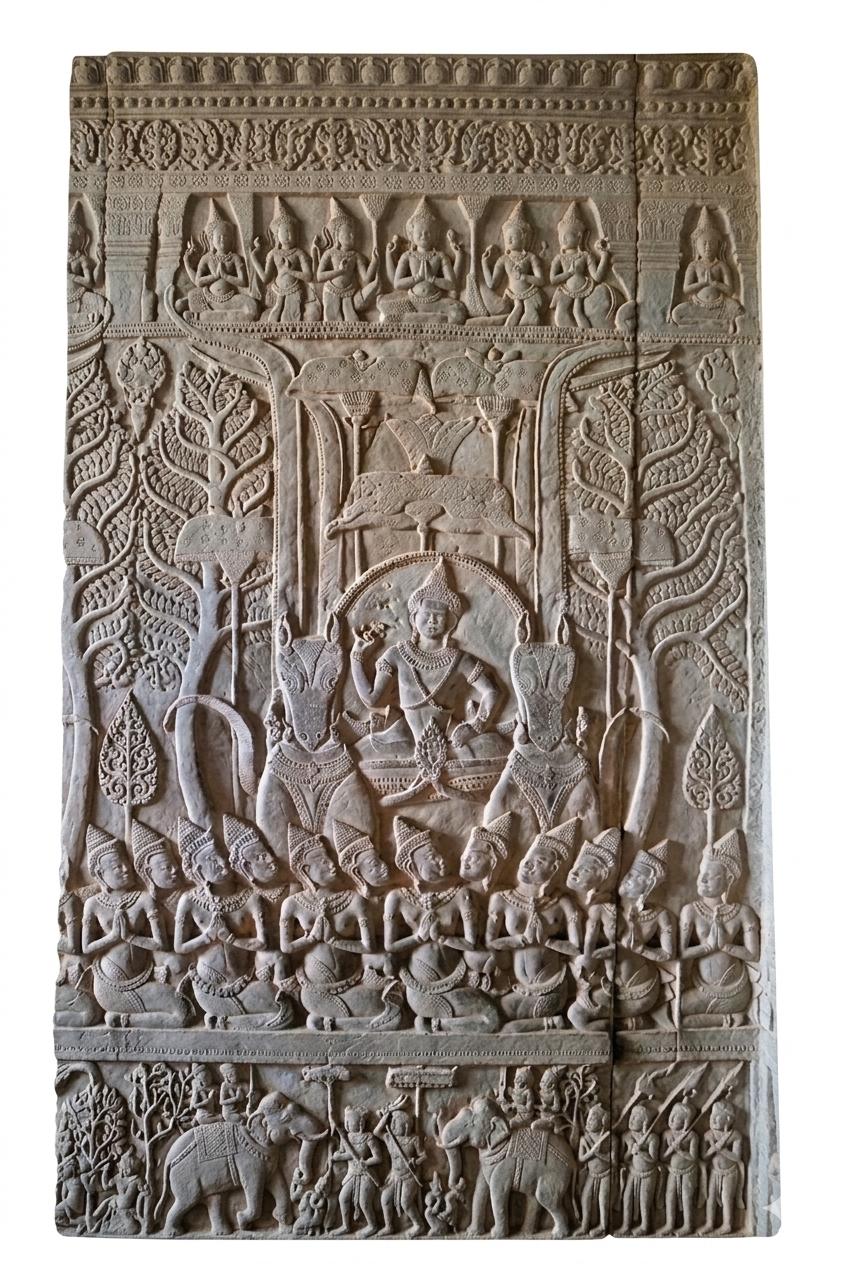
Origin: Cambodia, 12th century. Subject: Hindu epics (Ramayana, Mahabharata) and historical battles.
Inscribed Tablets
The Stone Archive Series
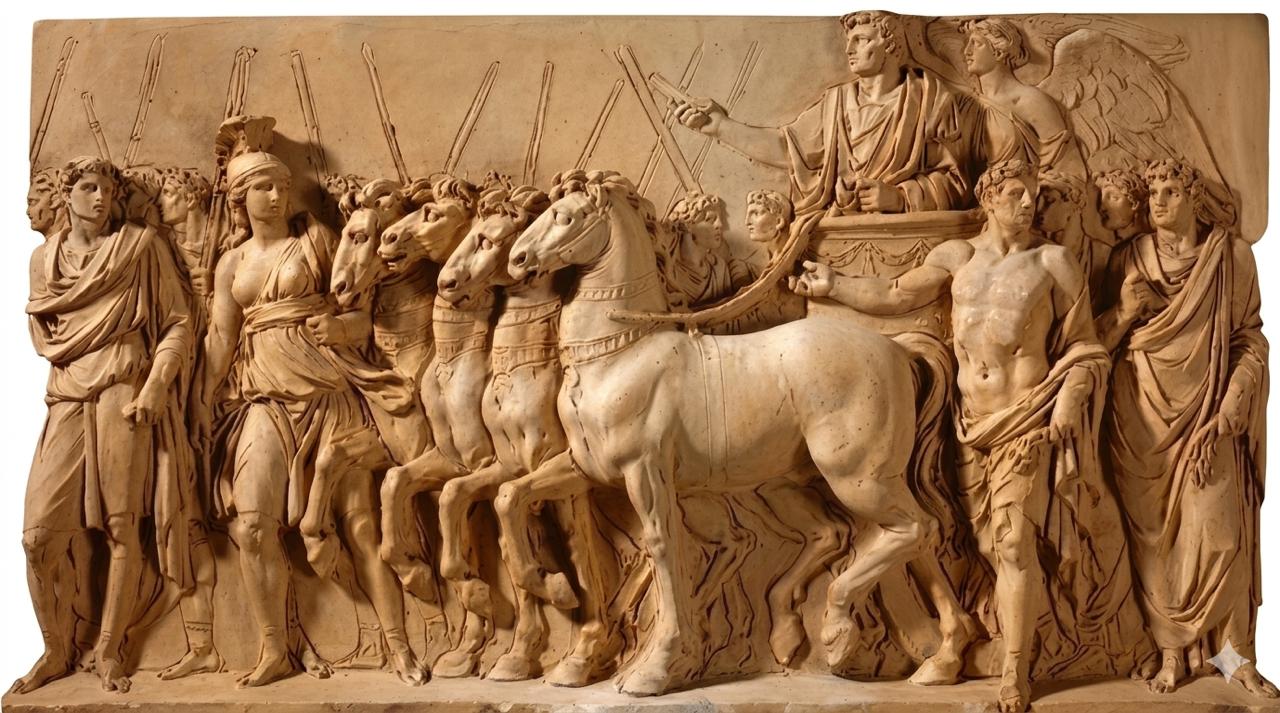
Location: Rome, Italy, c. 81 CE. Description: High-relief panels on the interior walls of a triumphal arch.
Inscribed Tablets
The Stone Archive Series
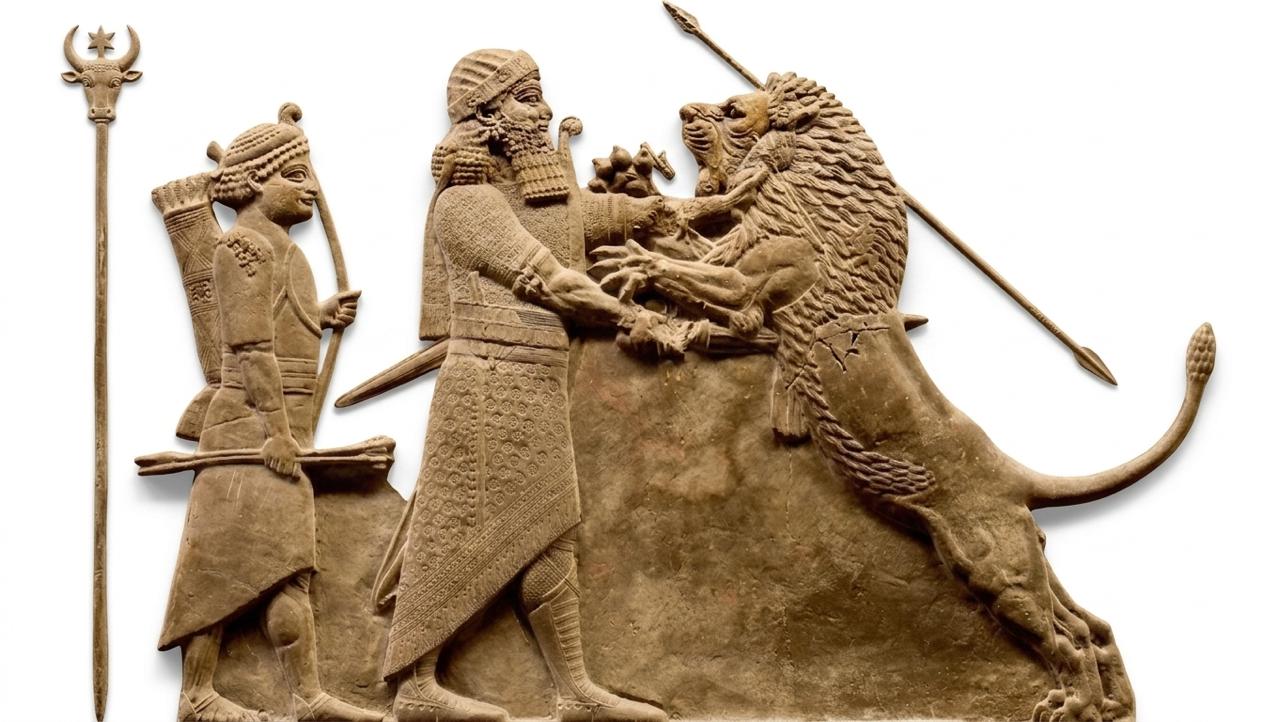
Origin: Nineveh (Iraq), c. 645 BCE. Subject: King Ashurbanipal hunting lions in a ritualized arena.
Inscribed Tablets
The Stone Archive Series
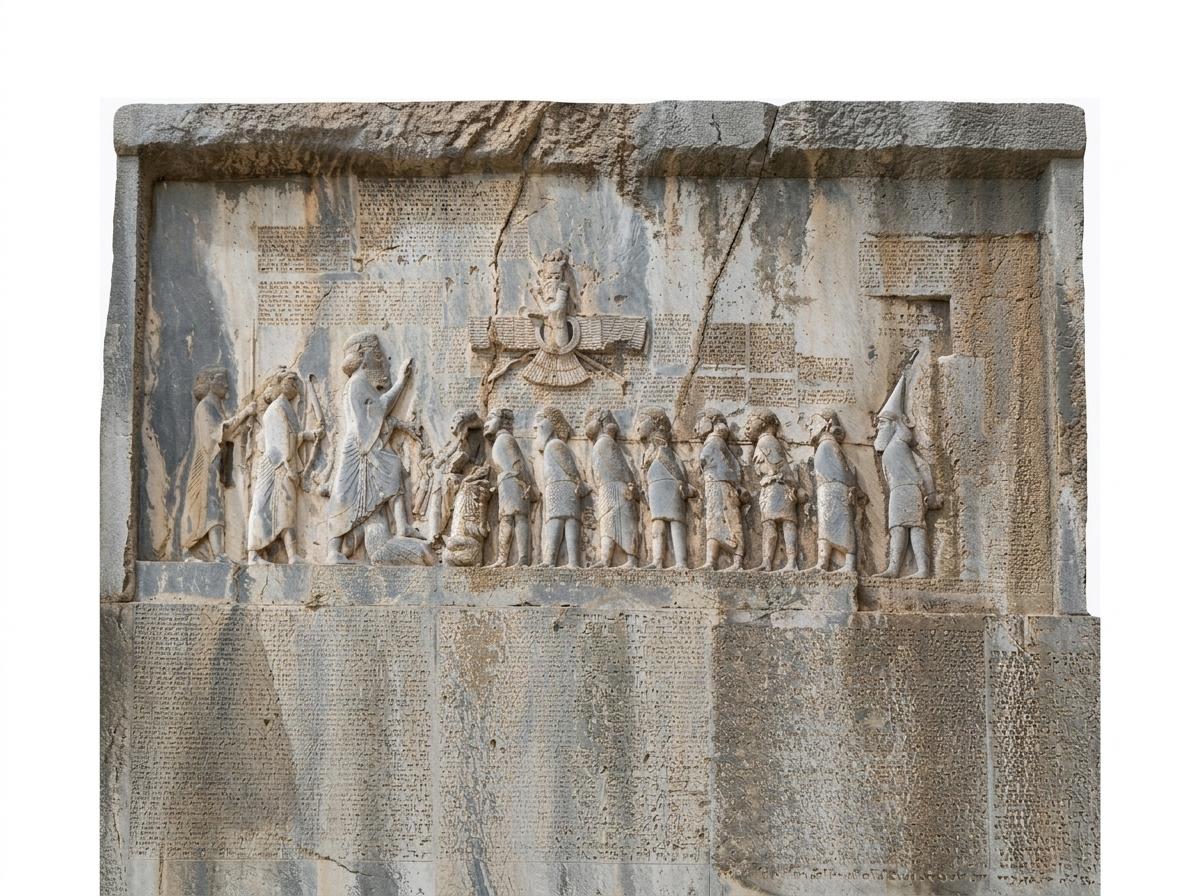
Origin: Mount Behistun, Iran (Achaemenid Empire), c. 520 BCE. Subject: A massive rock relief and text detailing King Darius the Great’s rise to power and his…
Inscribed Tablets
The Stone Archive Series
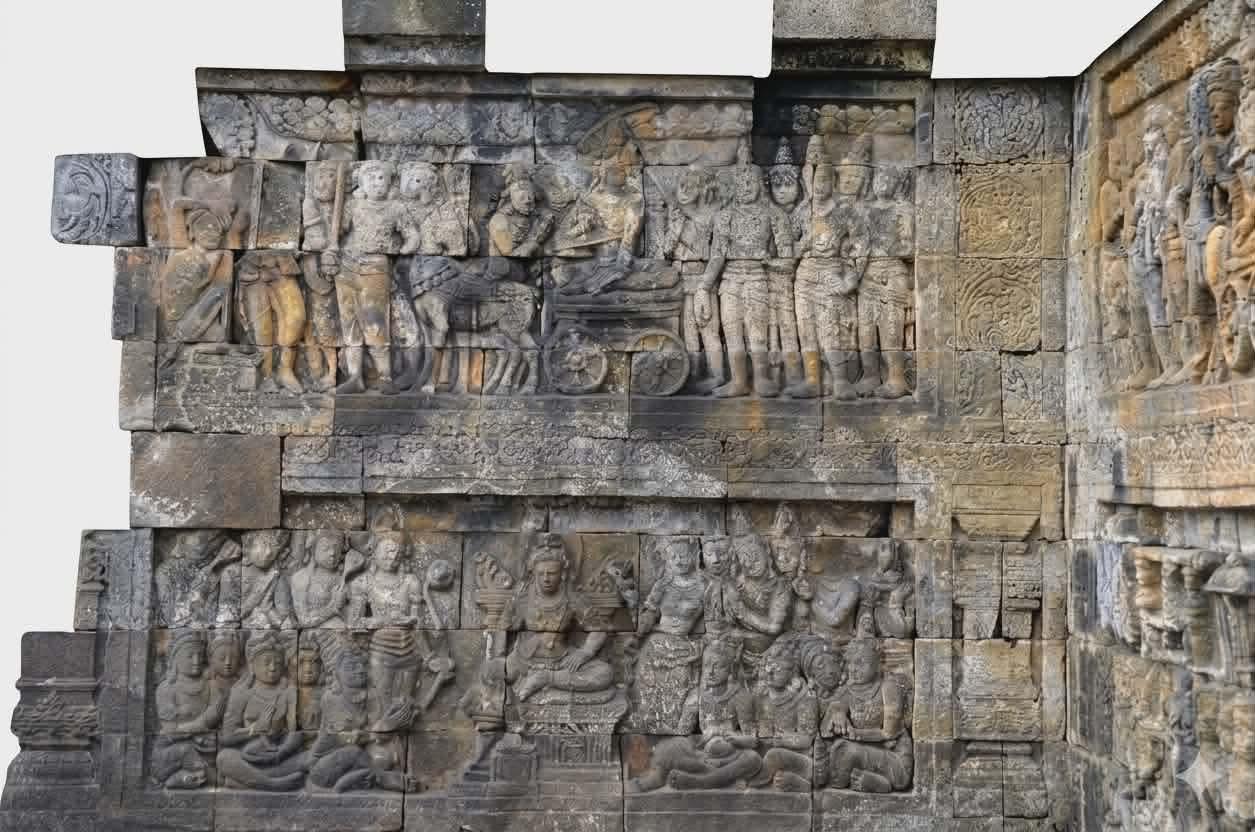
Origin: Java, Indonesia, 8th–9th century. Subject: The life story of the Buddha and his previous incarnations.
Inscribed Tablets
The Stone Archive Series
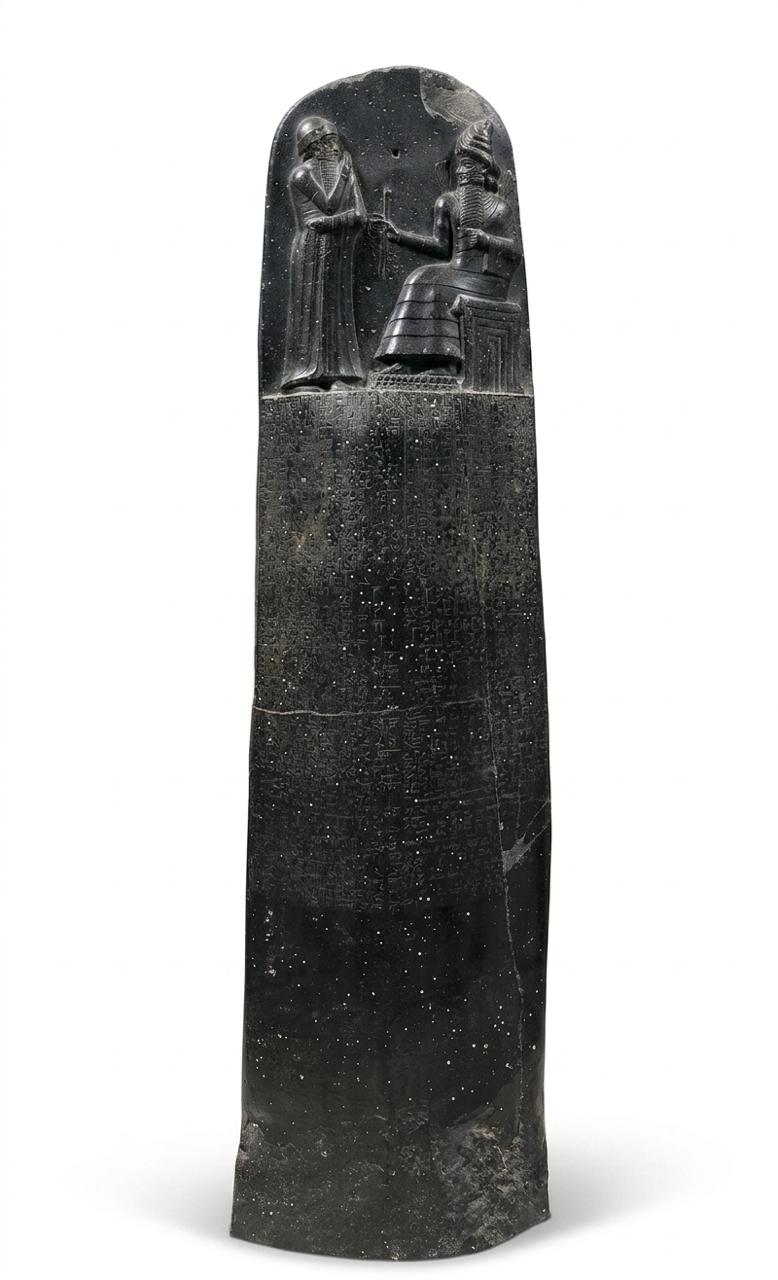
A basalt stela with a Babylonian law code inscribed in cuneiform script. It is an extraordinary legal monument and a key source for understanding Babylonian law…
Inscribed Tablets
The Stone Archive Series
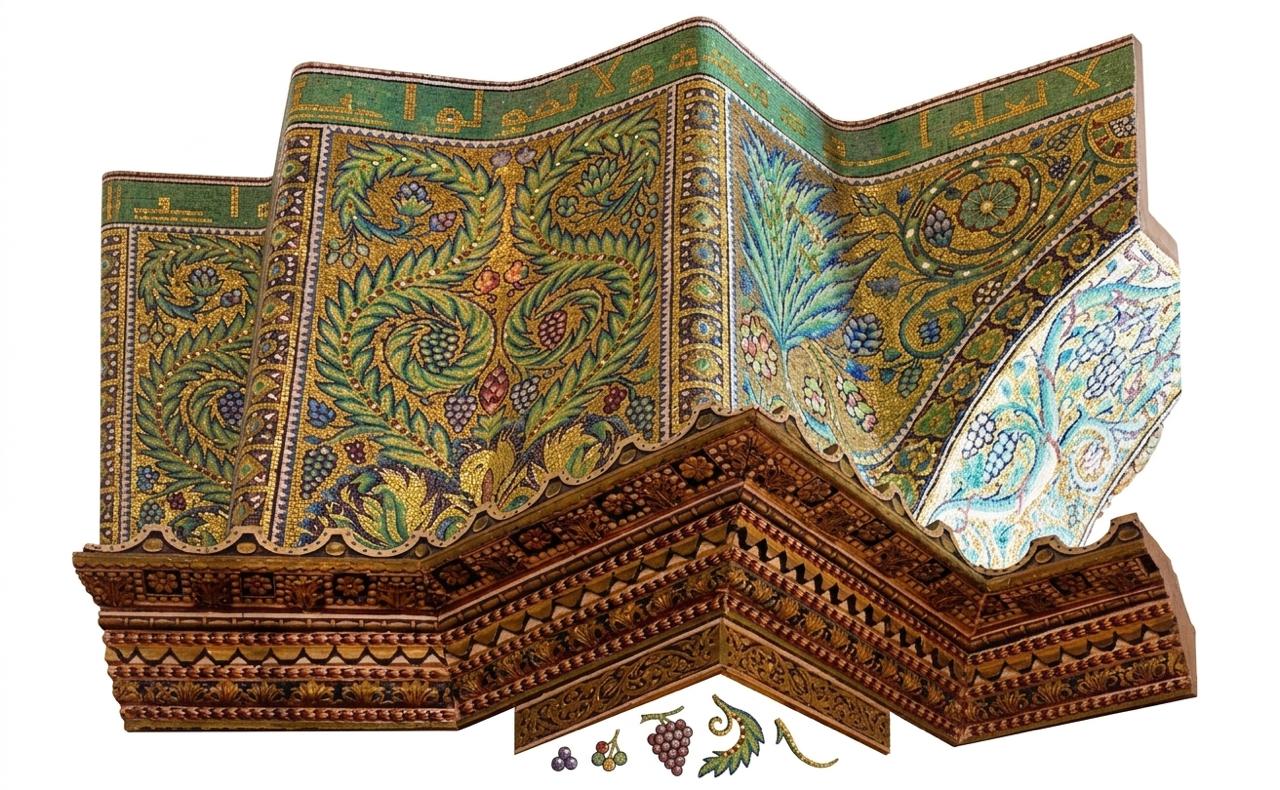
Location: Jerusalem, completed c. 691–92 CE. Significance: A foundational masterpiece of Islamic architecture and art.
Inscribed Tablets
The Stone Archive Series
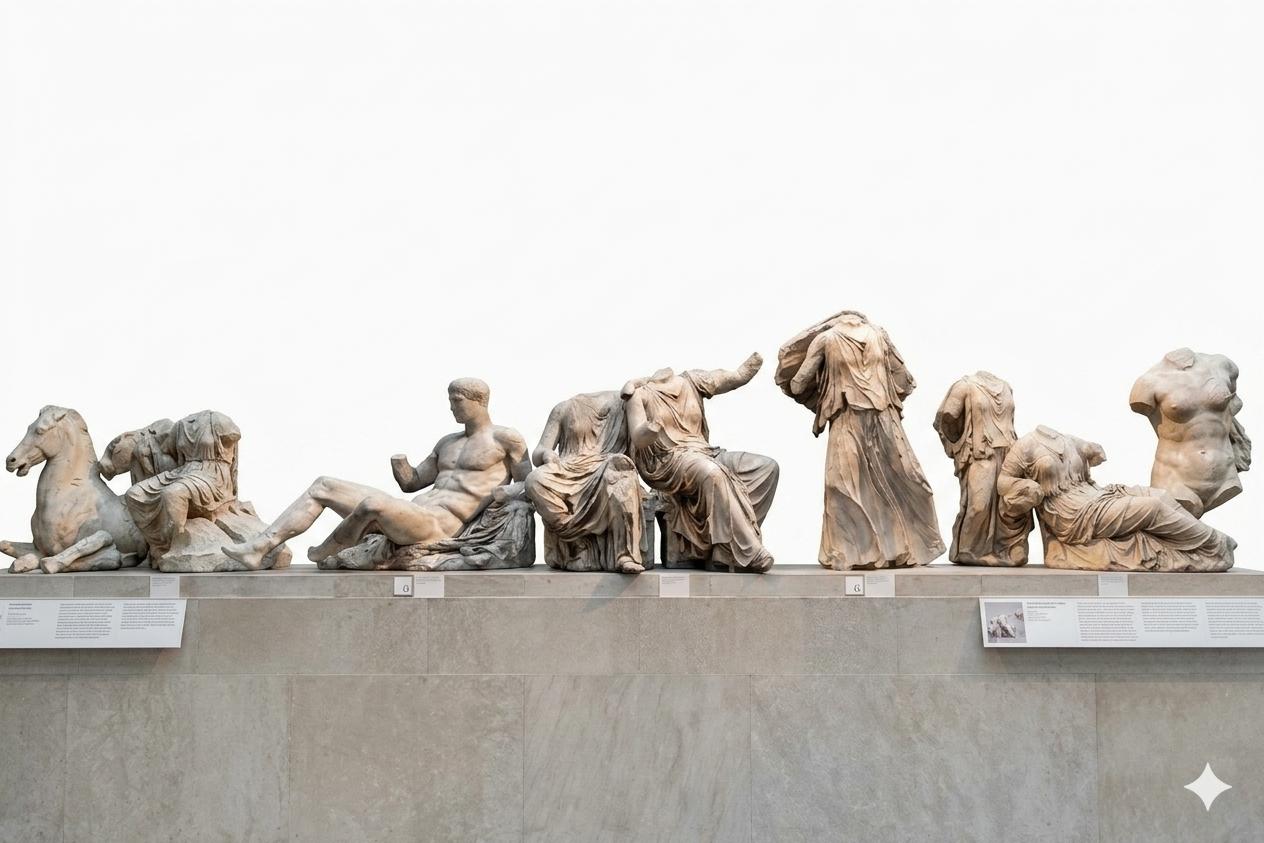
Origin: Athens, Greece, c. 447–438 BCE. Component: Architectural sculptures from the Parthenon temple, created under Phidias.
Inscribed Tablets
The Stone Archive Series
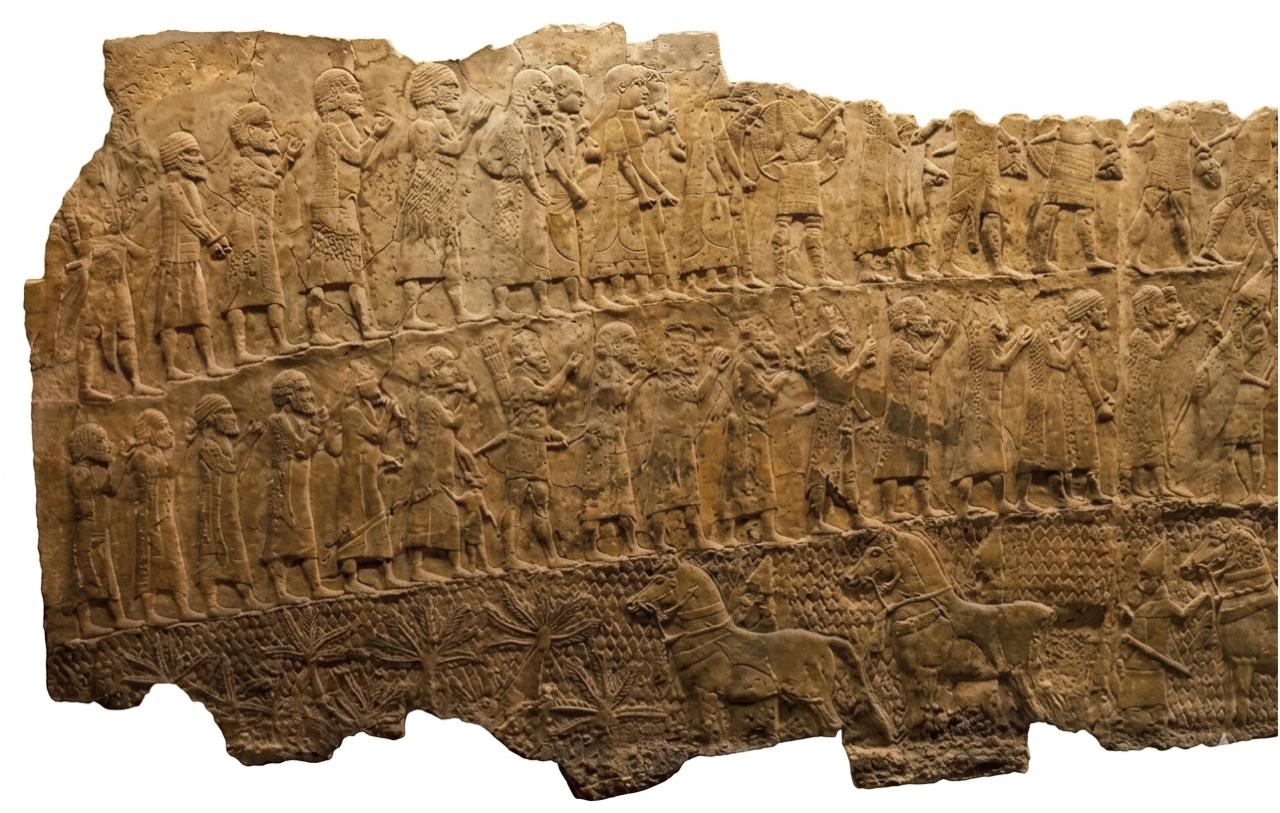
Origin: Nineveh (Iraq), c. 700 BCE. Subject: The brutal Assyrian siege of the Judean city of Lachish.
Inscribed Tablets
The Stone Archive Series
Origin: Athens, Greece, c. 447–438 BCE. Component: Architectural sculptures from the Parthenon temple, created under Phidias.
Inscribed Tablets
The Stone Archive Series
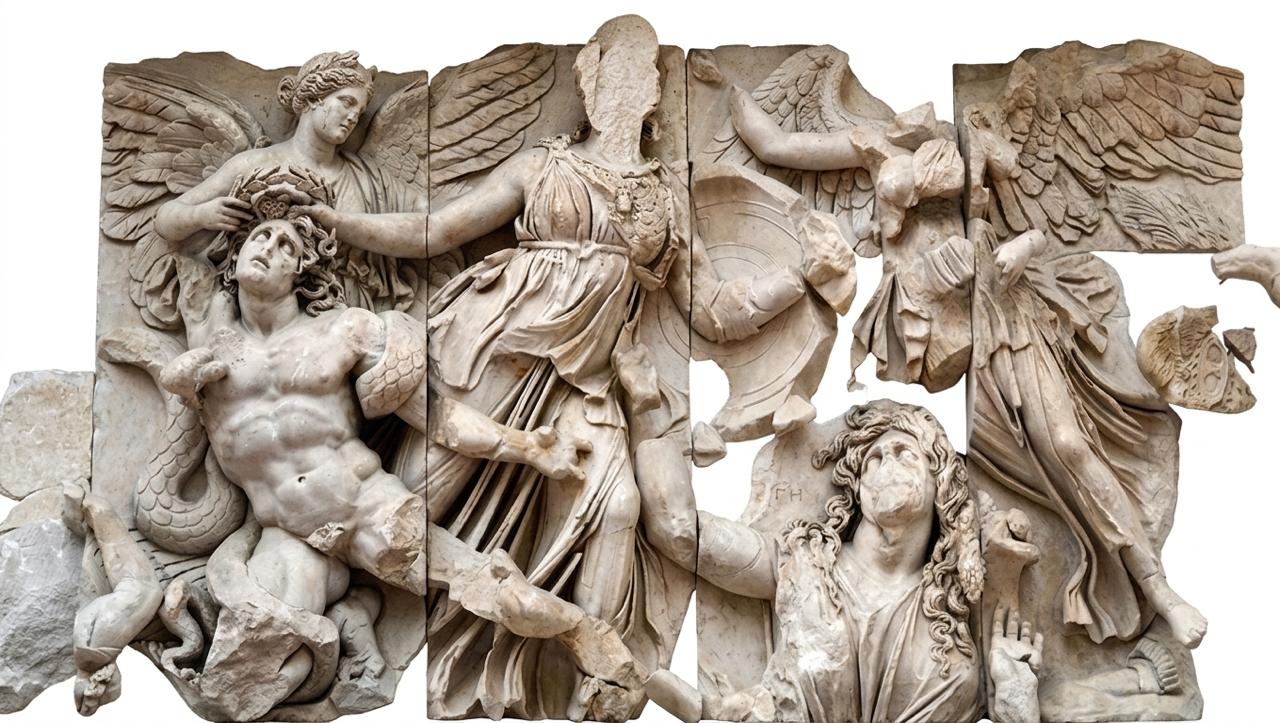
Origin: Pergamon (modern Turkey), c. 2nd century BCE. Component: The Great Frieze, a 113-meter-long sculpture wrapping the base of the monumental altar.
Inscribed Tablets
The Stone Archive Series
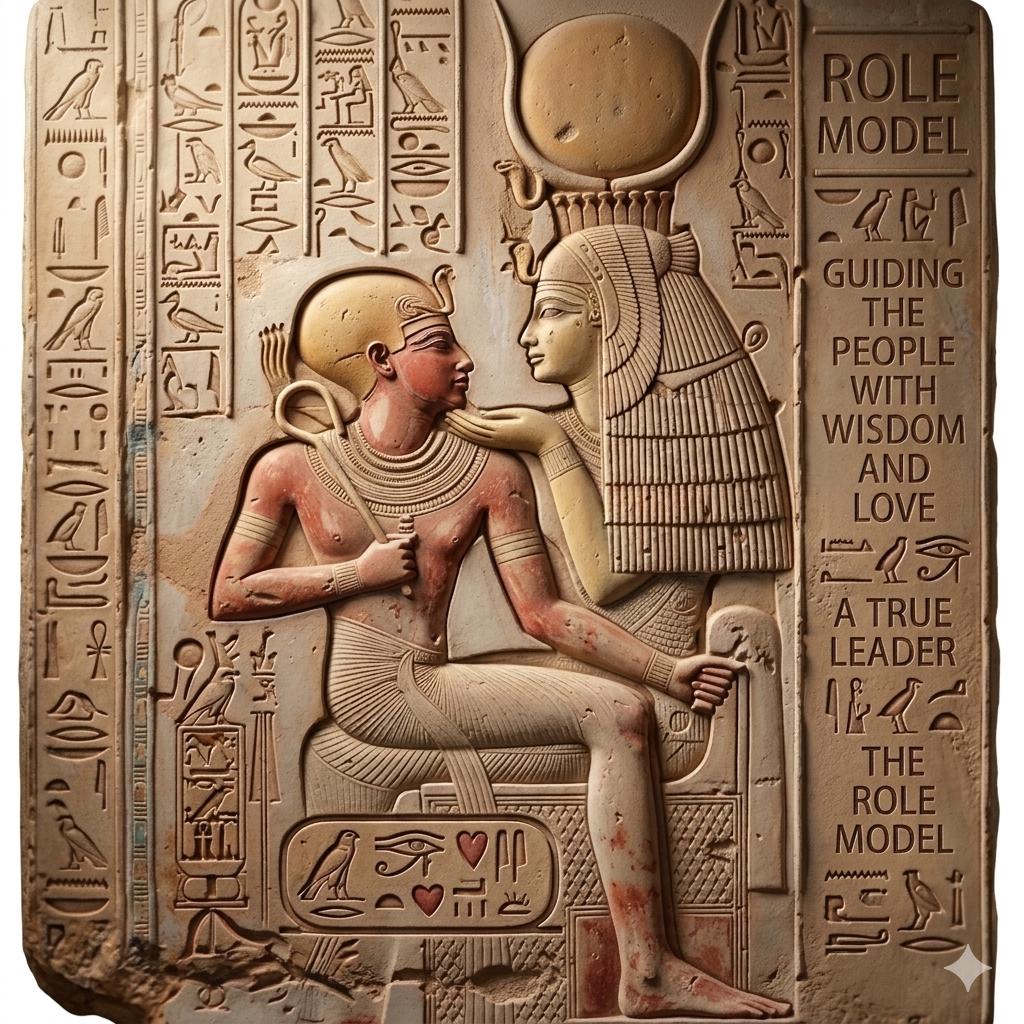
Relief of Osiris and Isis, Temple of Seti I A detailed relief in the Temple of Seti I at Abydos, showing the gods Osiris and Isis with religious and mythological…
Inscribed Tablets
The Stone Archive Series
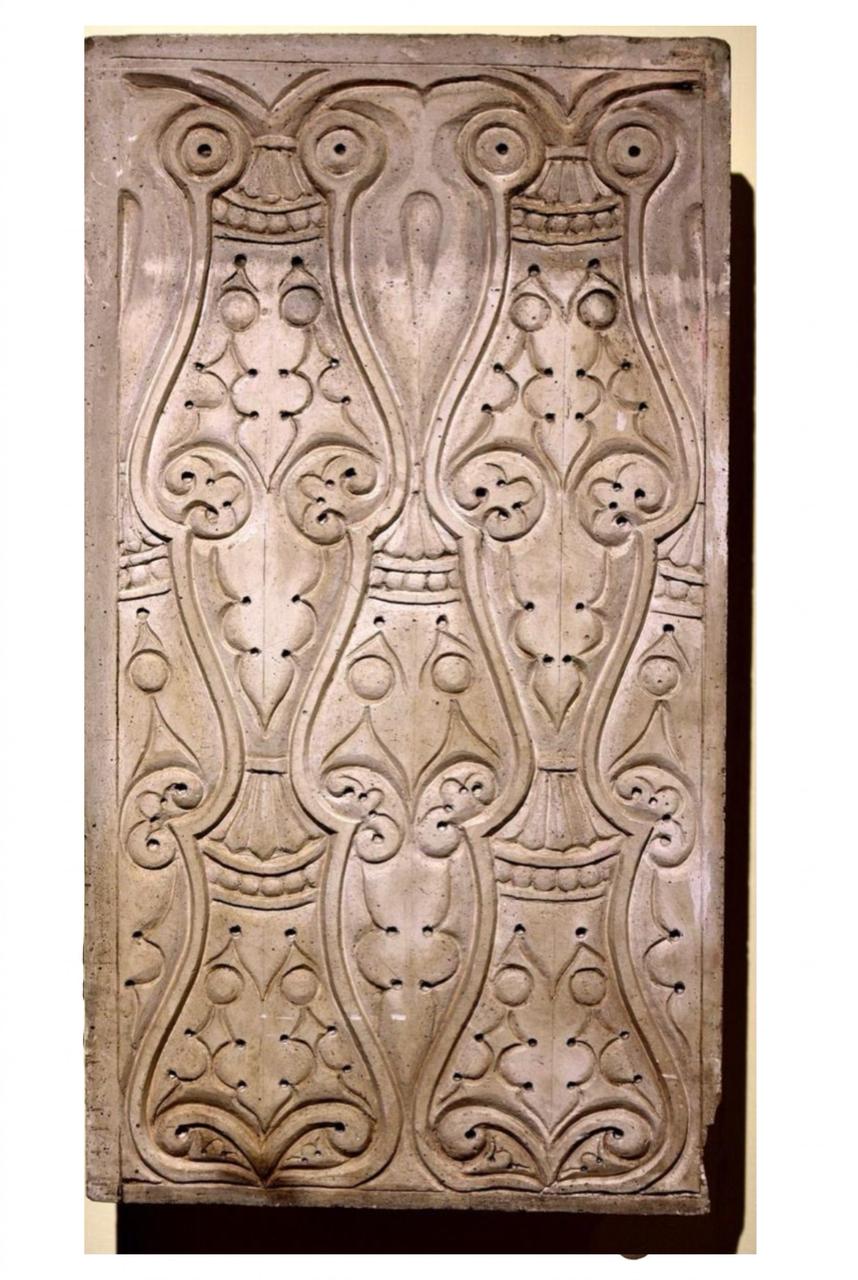
Origin: Samarra, Iraq (Abbasid Caliphate), 9th century CE. Context: Used to decorate the vast walls of palaces (like Jawsaq al-Khaqani) in the temporary Abbasid…
Inscribed Tablets
The Stone Archive Series
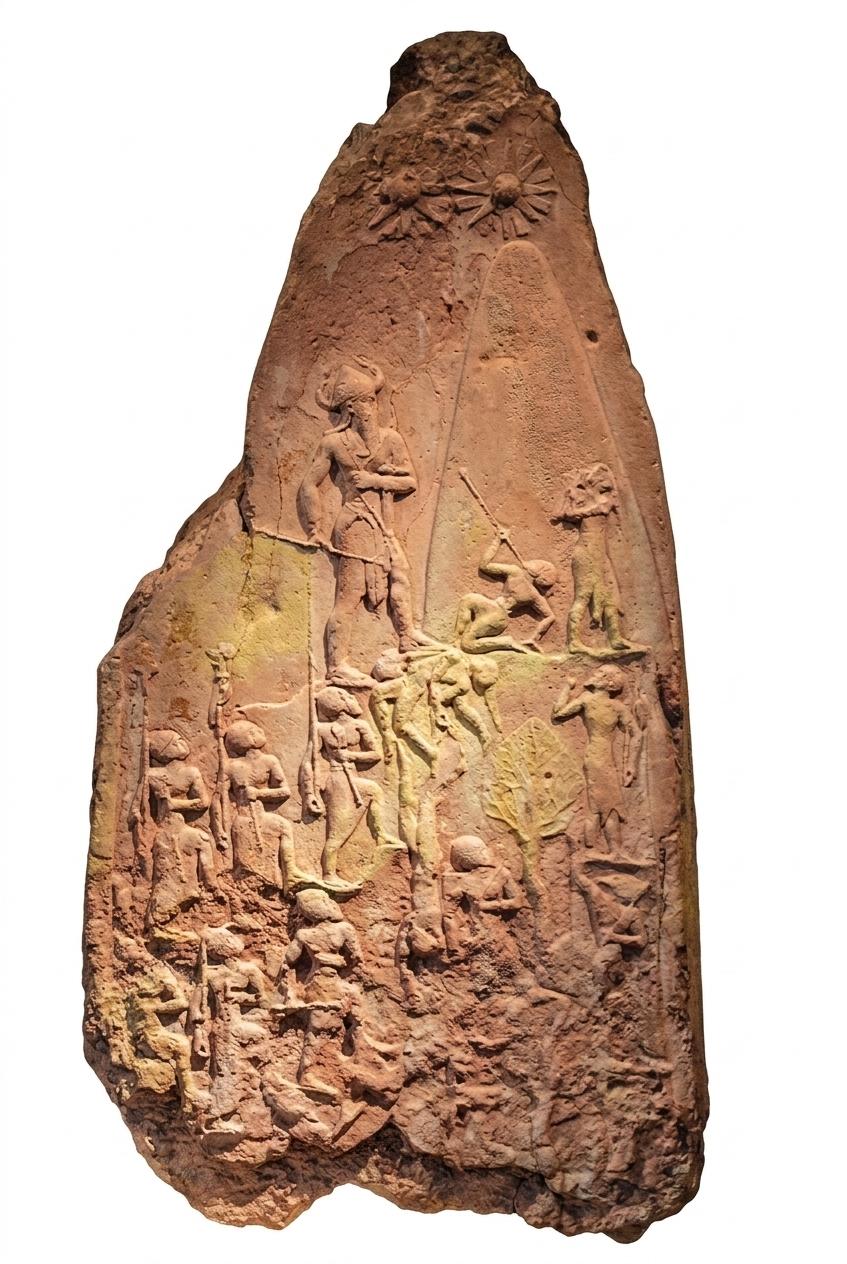
Origin: Ancient Mesopotamia (Akkadian Empire), c. 2254–2218 BCE. Subject: Celebrates King Naram-Sin’s victory over the Lullubi mountain people.
Inscribed Tablets
The Stone Archive Series
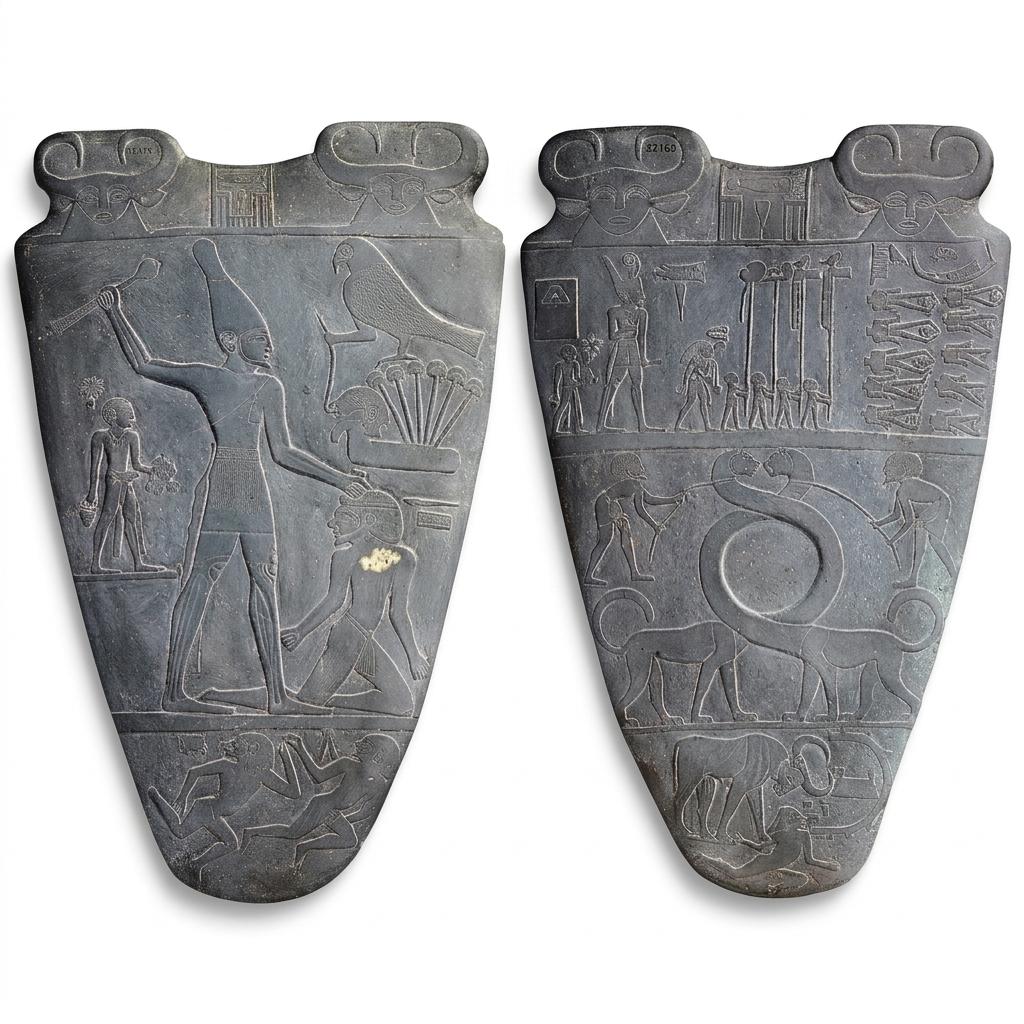
A palette depicting the unification of Upper and Lower Egypt under King Narmer. It is a masterpiece of early dynastic art and a vital historical document.
Inscribed Tablets
The Stone Archive Series
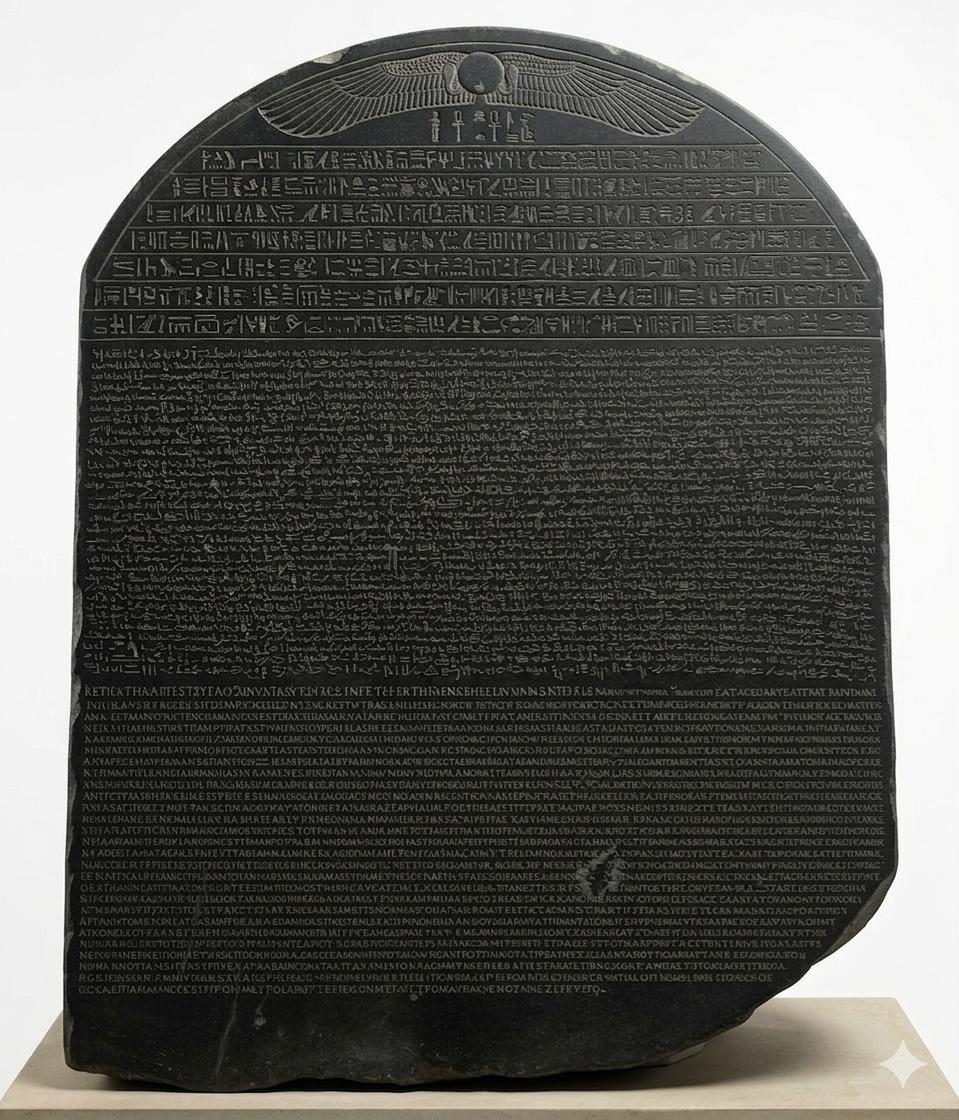
A famous stone fragment with a Ptolemaic-era decree inscribed in three scripts: Ancient Greek, Demotic, and Ancient Egyptian hieroglyphs.
Inscribed Tablets
The Stone Archive Series
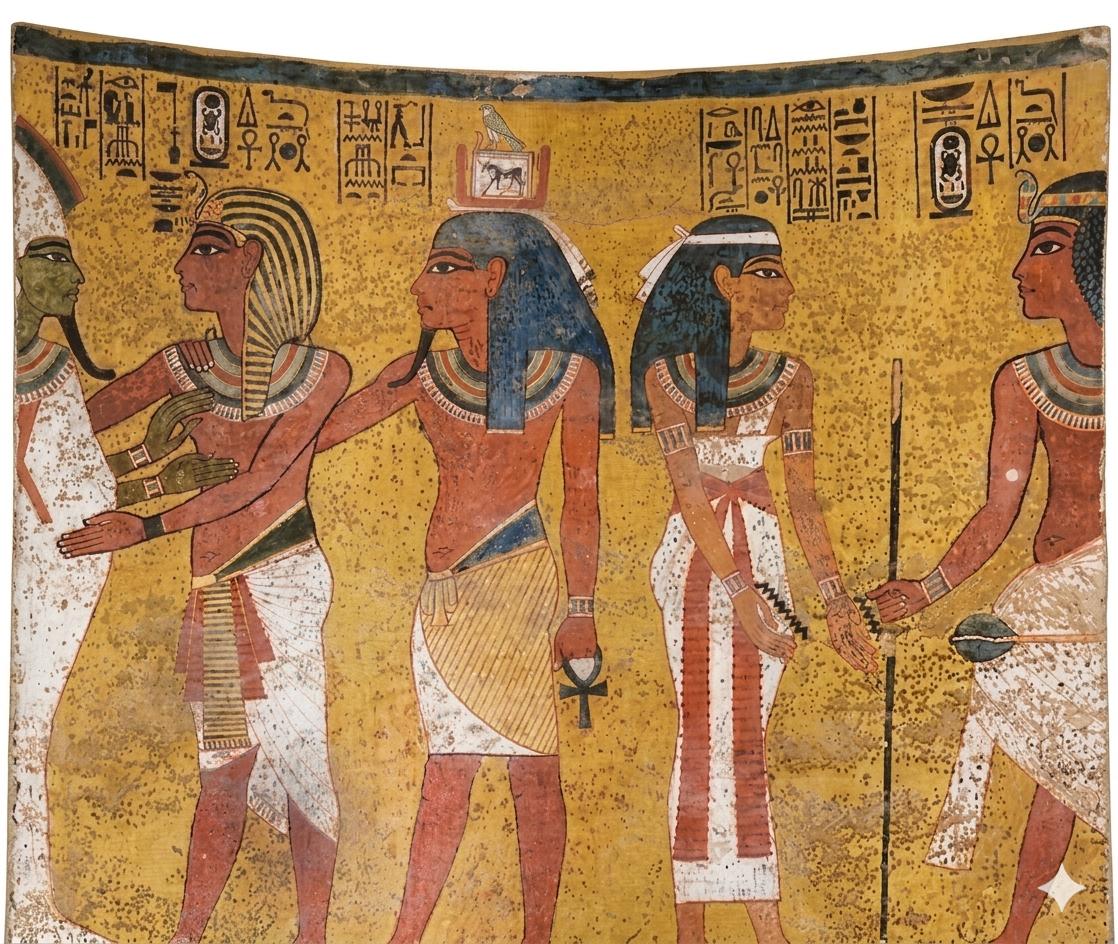
Intricate, vibrant wall paintings within the KV62 tomb of Tutankhamun, depicting scenes of the pharaoh’s life, religious rituals, and his journey to the afterlife.
Inscribed Tablets
The Stone Archive Series
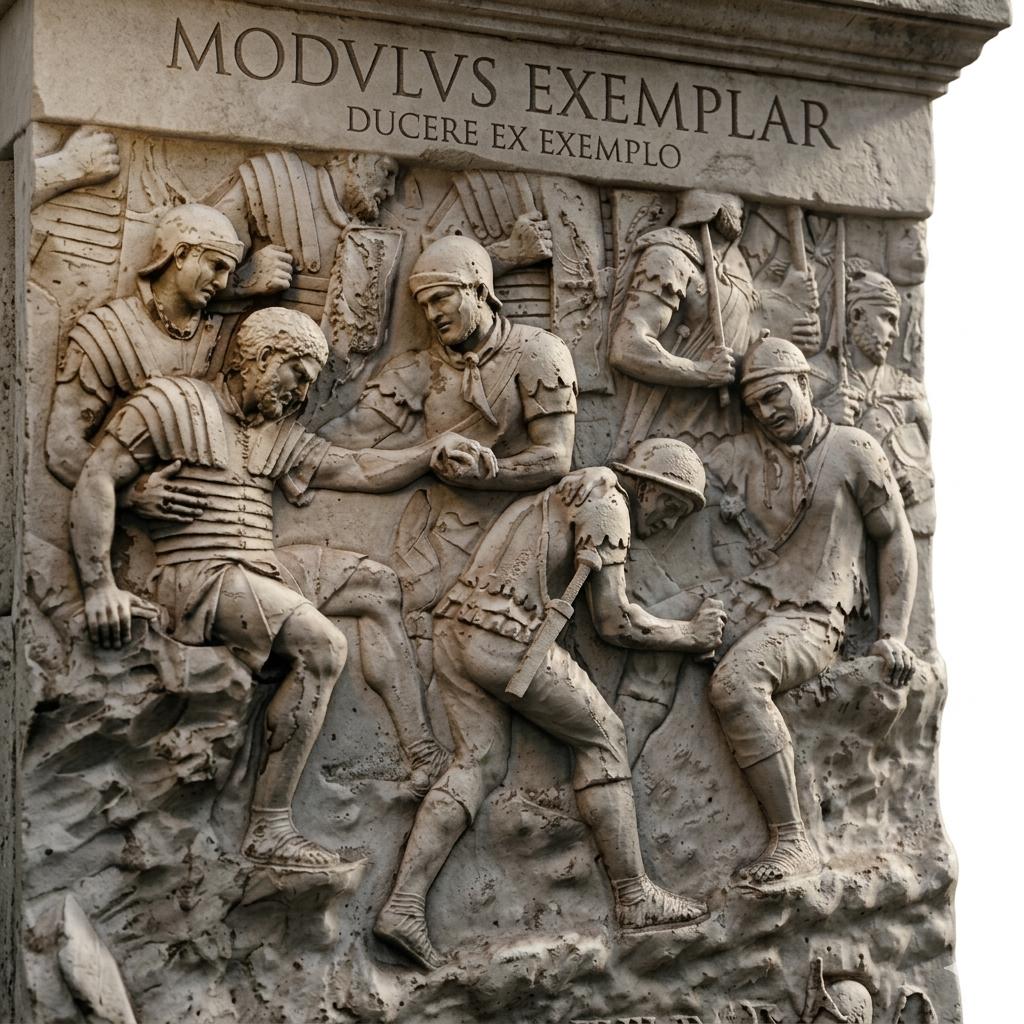
Location: Rome, Italy, c. 113 CE. Description: A continuous spiral relief wrapping 23 times around a 30-meter shaft.
No pieces match that search. Try a shorter word, or browse another collection.