Inscribed Tablets
The Stone Archive Series
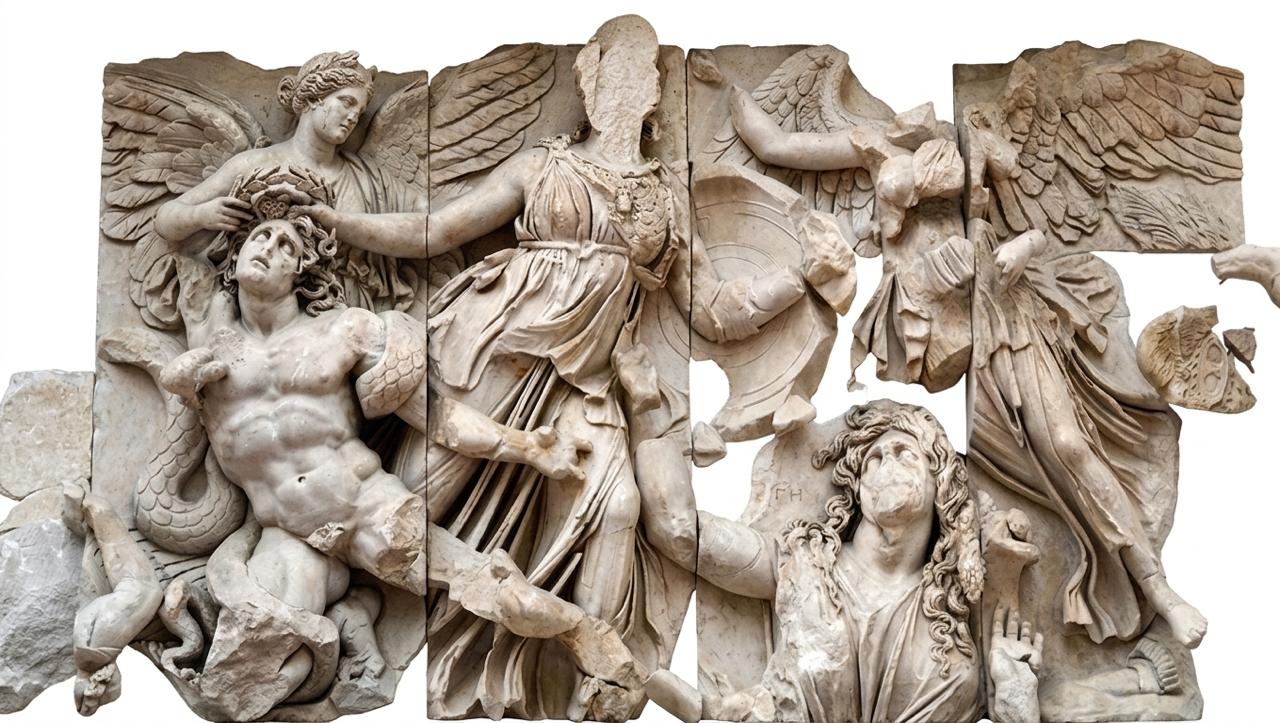
Pergamon Altar Frieze
Origin: Pergamon (modern Turkey), c. 2nd century BCE. Component: The Great Frieze, a 113-meter-long sculpture wrapping the base of the monumental altar.
The Stone Archive Series
$66.00
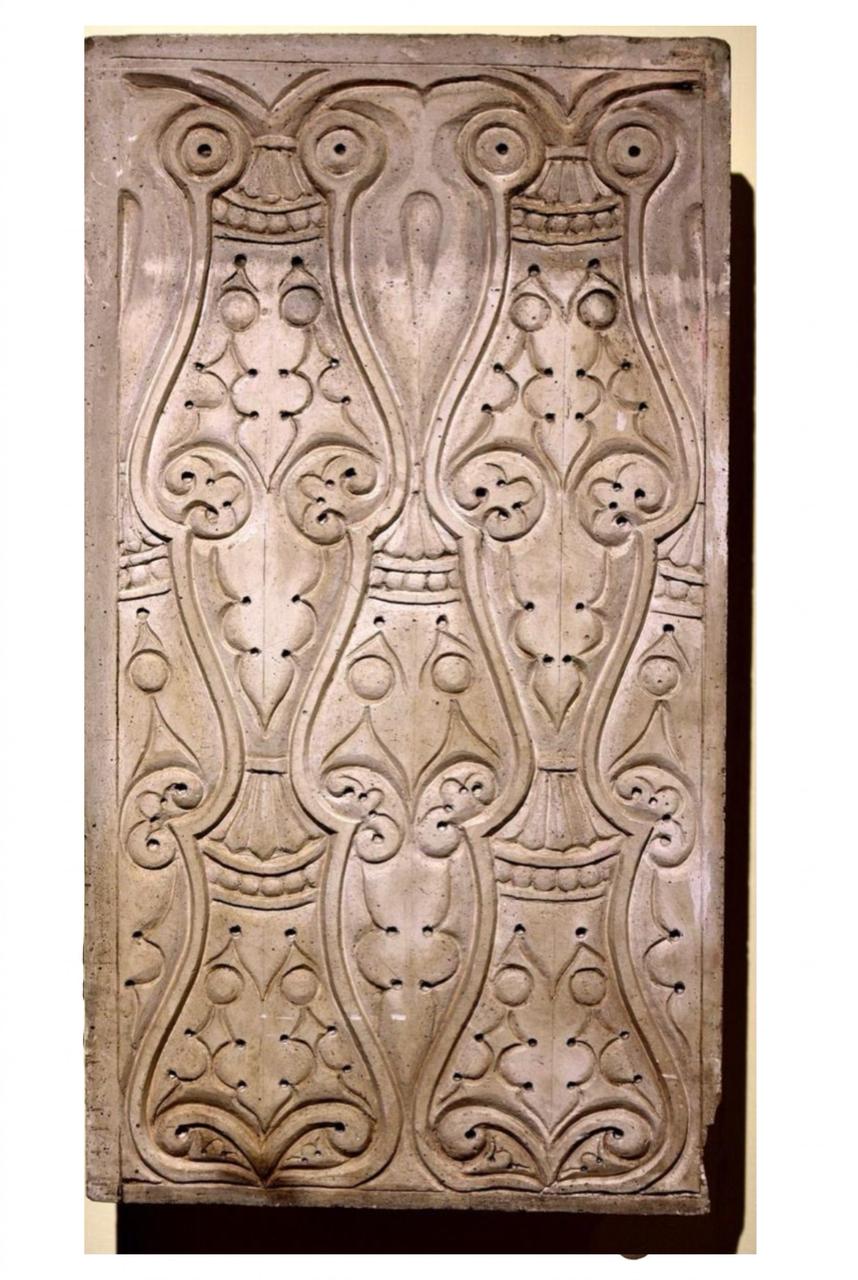
Origin: Samarra, Iraq (Abbasid Caliphate), 9th century CE. Context: Used to decorate the vast walls of palaces (like Jawsaq al-Khaqani) in the temporary Abbasid capital. The Three Styles: Style A: Traditional, deeply carved floral and vine motifs. Style B: More stylized and abstract with less background depth. Style C (The "Beveled Style"): The most famous; features repeating, abstract, "S-shaped" patterns with slanted edges. Legacy: Represented a major shift toward abstraction in Islamic art, heavily influencing future arabesque and geometric designs.
Keep looking
Inscribed Tablets
The Stone Archive Series
Origin: Pergamon (modern Turkey), c. 2nd century BCE. Component: The Great Frieze, a 113-meter-long sculpture wrapping the base of the monumental altar.
Inscribed Tablets
The Stone Archive Series
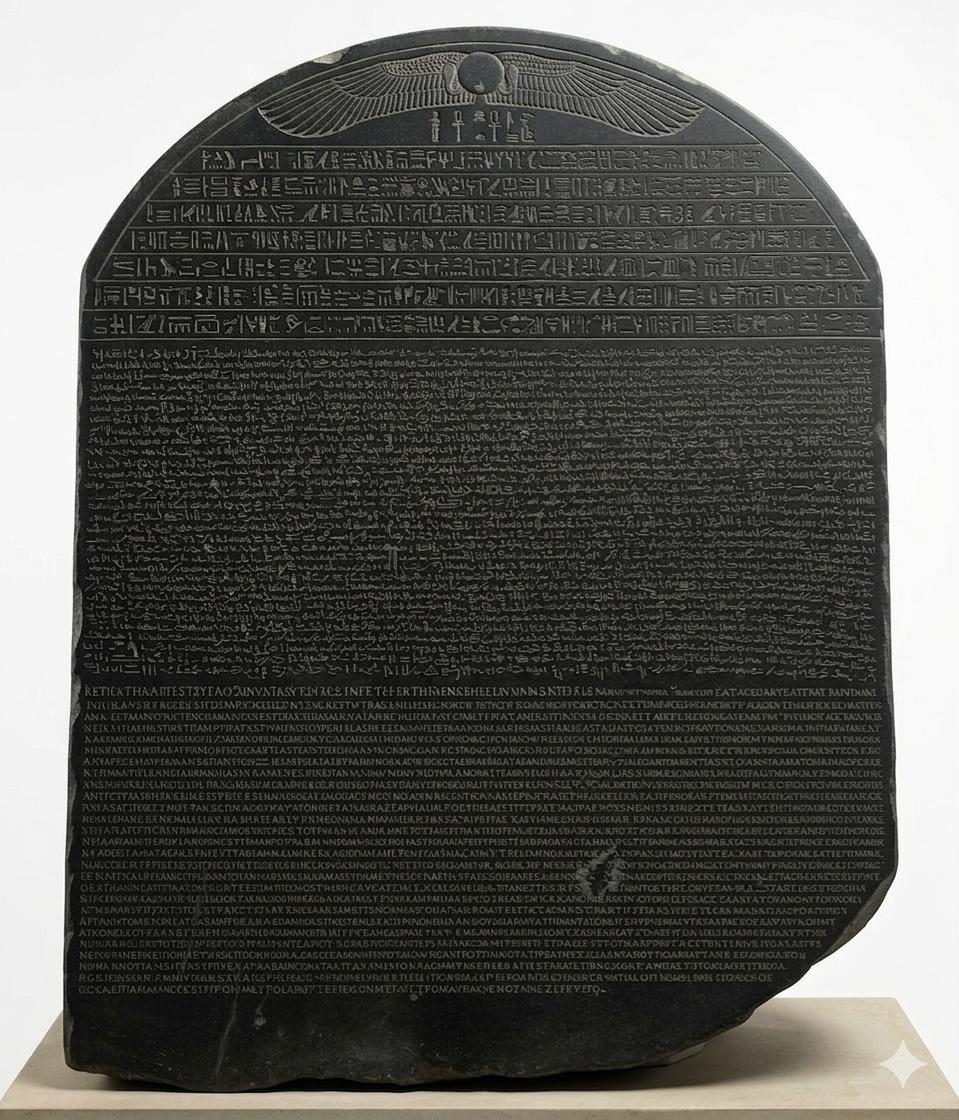
A famous stone fragment with a Ptolemaic-era decree inscribed in three scripts: Ancient Greek, Demotic, and Ancient Egyptian hieroglyphs.
Inscribed Tablets
The Stone Archive Series
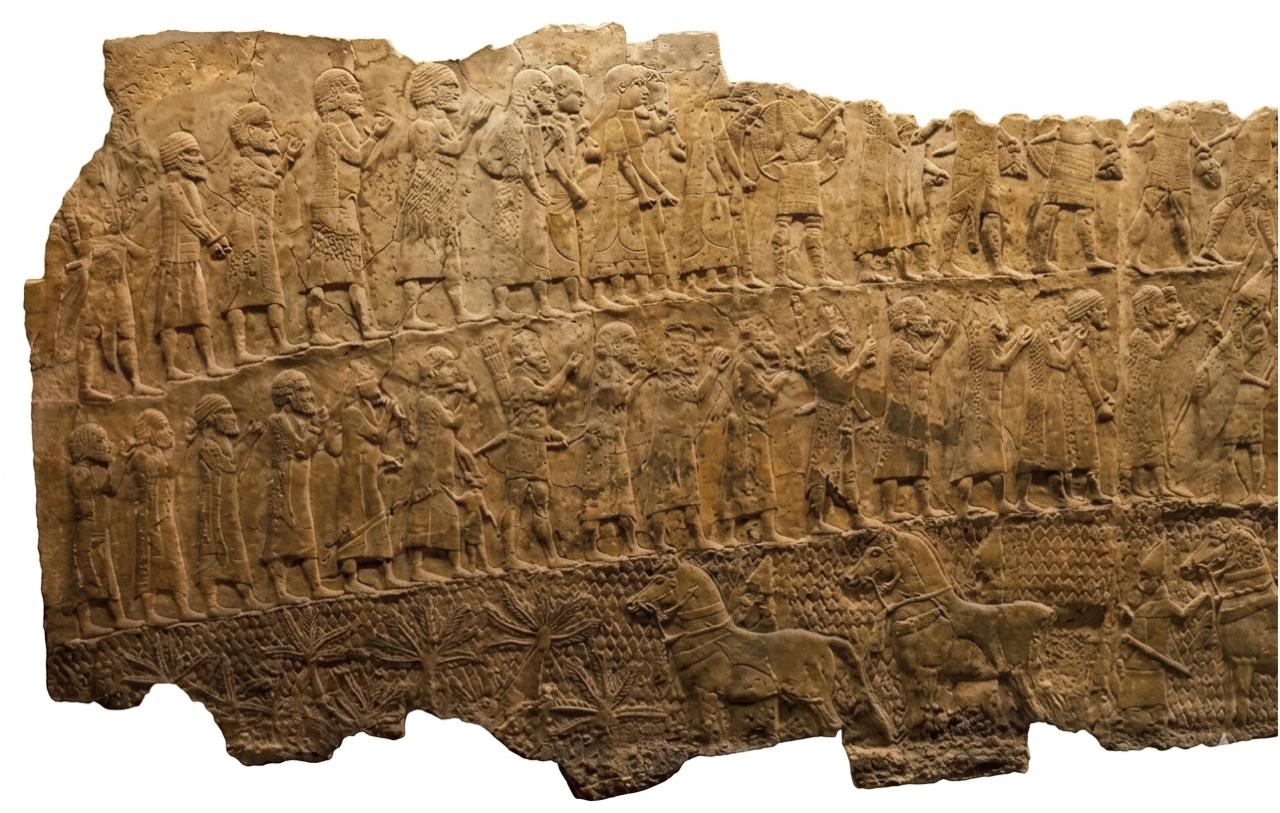
Origin: Nineveh (Iraq), c. 700 BCE. Subject: The brutal Assyrian siege of the Judean city of Lachish.
Inscribed Tablets
The Stone Archive Series
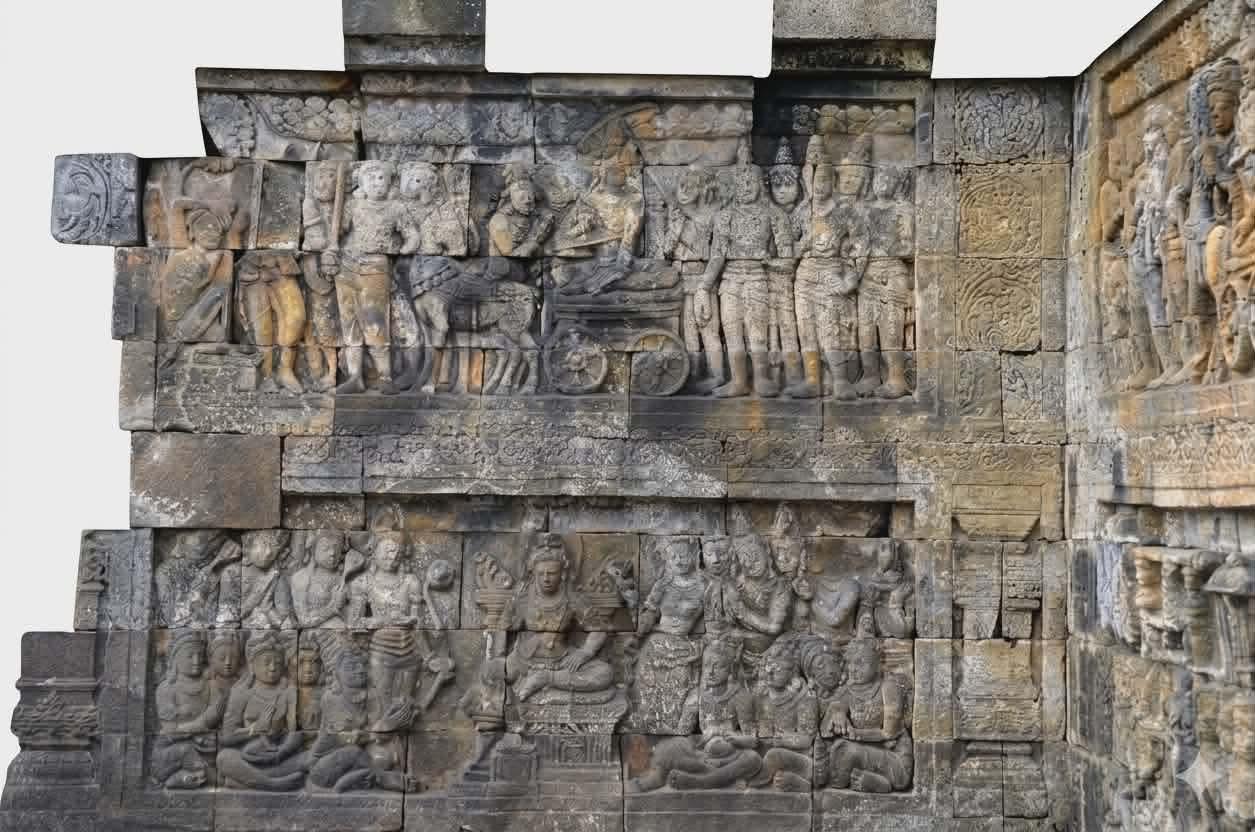
Origin: Java, Indonesia, 8th–9th century. Subject: The life story of the Buddha and his previous incarnations.